


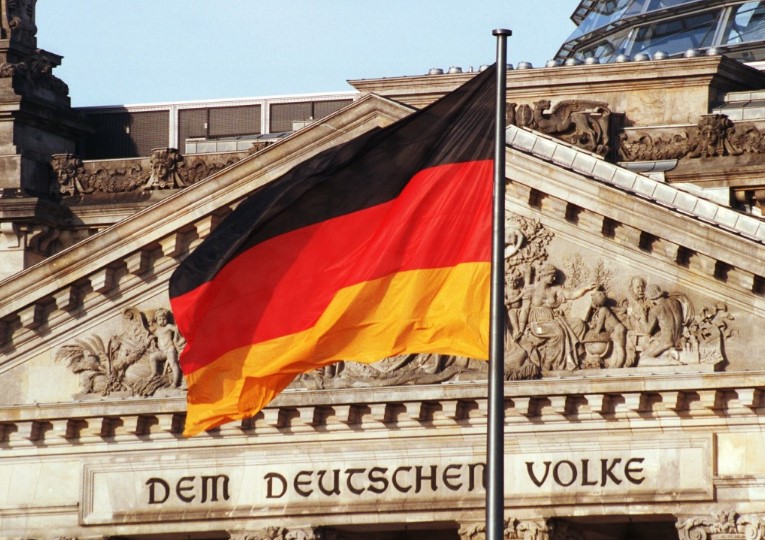
A Journey Through German Society: Traditions, Music, and the Spirit of Precision
When you step into Germany, you immediately notice that life feels both beautifully orderly and warmly alive. German society has been mastering the art of balance between tradition and modernity for centuries. Even today, people are living with a deep respect for their customs while embracing innovation and efficiency.
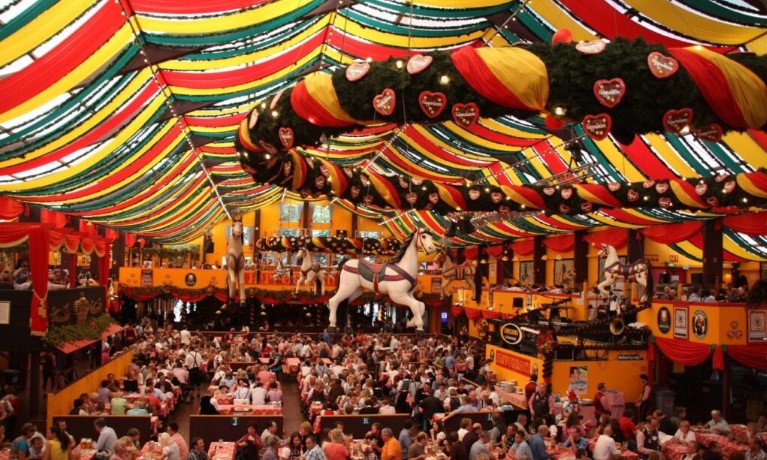
One of the most spectacular examples of German culture is the Oktoberfest, held every year in Munich, Bavaria. This world-famous festival has been celebrated since 1810, originally marking the royal wedding of Crown Prince Ludwig and Princess Therese. Today, Oktoberfest is bigger, brighter, and certainly more joyful than almost any other festival on the planet. Right now, as you walk through the grounds of Theresienwiese, you are hearing the cheerful sounds of traditional brass bands, smelling the delicious scent of grilled sausages and roasted almonds, and seeing thousands of visitors dressed in colorful traditional clothing.
Men proudly wear Lederhosen, short leather pants paired with checked shirts and sturdy boots, while women are dazzling in Dirndls, dresses with tight bodices, wide skirts, and embroidered aprons. The level of detail in these garments is finer and more artistic than many other European traditional costumes, and every region has its own specific style and colors. It is not unusual to find yourself comparing the bright embroidery of Bavarian outfits to the more subdued designs from neighboring areas.
But Germany’s rich culture is not only visible during festivals. Music has always played a central role in the German spirit. Composers like Johann Sebastian Bach, Ludwig van Beethoven, and Johannes Brahms have left a musical legacy that few other countries can rival. Even today, concert halls in cities like Berlin, Dresden, and Leipzig are filled with audiences who are passionately listening to symphonies and operas. Right now, musicians are rehearsing in centuries-old theaters, maintaining a musical tradition that feels more alive and inspiring than ever. Compared to other countries, Germany has protected its classical music heritage with deeper devotion and pride.
If you travel through the picturesque countryside, you will discover that traditional clothing and customs are still part of daily life, especially in southern regions like Bavaria and Baden-Württemberg. Villages organize colorful folk festivals where locals are parading in traditional outfits, playing ancient instruments, and dancing in circles. These moments reveal a Germany that is older, quieter, and more connected to its roots than what you often see in modern cities.
Personality-wise, Germans are famously punctual, meticulous, and highly structured. Punctuality is not just a habit; it is a point of pride. Arriving late to a meeting or a dinner is considered highly disrespectful. Throughout history, Germans have been valuing order, discipline, and precision—qualities that have helped shape some of the strongest industries and institutions in the world. Compared to their Mediterranean neighbors, Germans seem much more «square» in their approach to life, following plans carefully and respecting every detail.
Yet, behind this image of strictness, there is a vibrant, joyful spirit. Germans know how to celebrate with great enthusiasm, especially during special times of the year. At Christmas, towns and cities are transformed into magical places with the famous Weihnachtsmärkte (Christmas markets). Wooden stalls are selling handmade ornaments, the air is filled with the sweet scent of Glühwein (mulled wine) and baked goods, and choirs are singing traditional carols. Many visitors say that German Christmas markets are warmer and more authentic than those found anywhere else in Europe.
Throughout the seasons, whether in the golden autumn of Oktoberfest or the sparkling winter of Christmas markets, Germans are preserving their heritage while moving confidently into the future. Their streets are cleaner, their trains are more punctual, and their traditions are kept more faithfully than in many other countries.
In conclusion, Germany is a land where precision meets passion, where centuries-old traditions live side by side with cutting-edge innovation. Whether you are raising a beer stein under a Bavarian tent, listening to the soft notes of a Beethoven sonata, or admiring the timeless craftsmanship of traditional clothing, you are experiencing a culture that values both heart and discipline in every detail. Germans have built one of the most remarkable societies in the world—and they continue to show that life is most beautiful when it is lived with both joy and purpose.




Comentario